


Understanding Neuroplasticity: How Psychedelics Stimulate Synaptogenesis
Updated: Sep 21
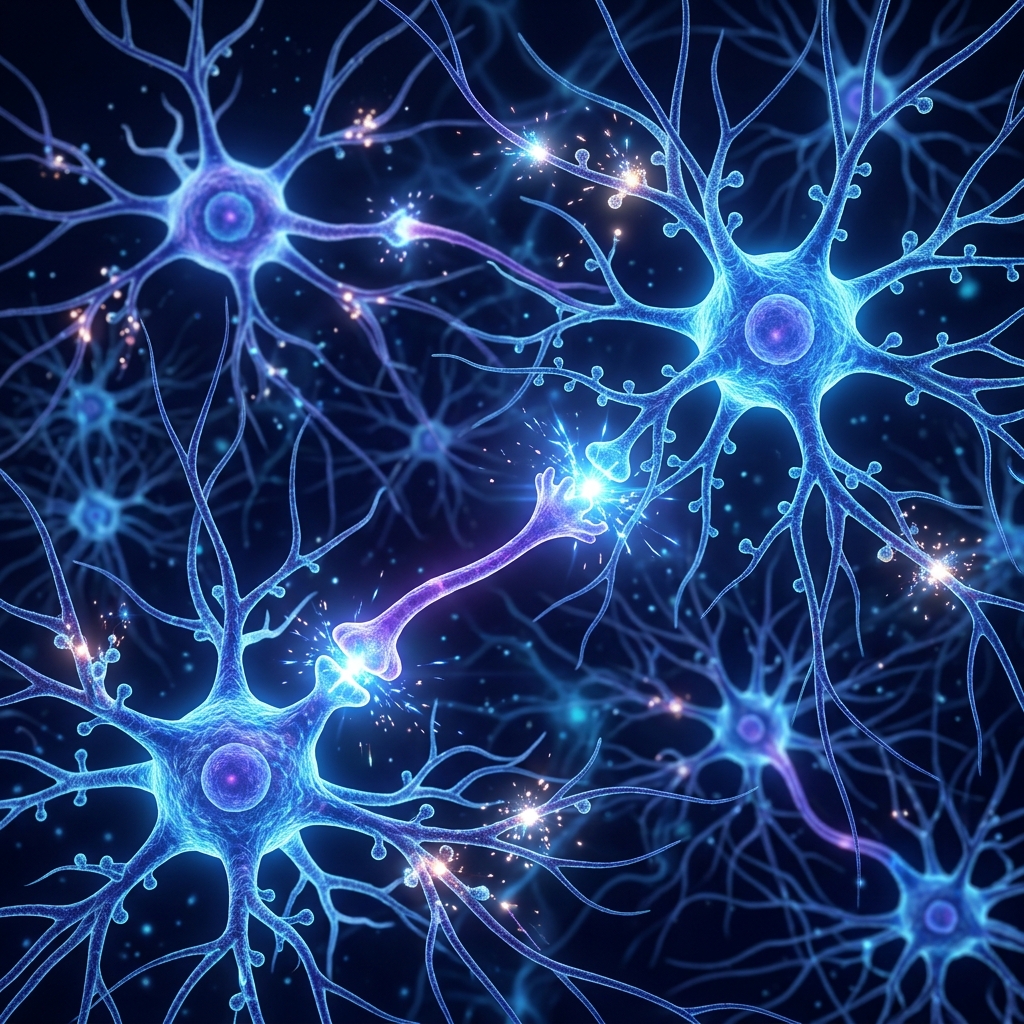
Neuroplasticity represents the brain's ability to reorganize itself by forming new neural connections throughout life. Recent neuroscientific studies have identified certain psychedelics as "psychoplastogens" — compounds capable of promoting rapid and sustained structural plasticity.
What is Synaptogenesis?
Synaptogenesis is the formation of synapses between neurons in the nervous system. As we age or experience prolonged stress and depression, dendritic branches and synaptic spines in key brain regions like the prefrontal cortex can atrophy. This structural loss correlates with cognitive rigidity and depressive states.
Research published in Cell Reports (Ly et al., 2018) demonstrated that psychedelics including DMT, LSD, and psilocin promote dendritic arbor complexity, stimulate dendritic spine growth, and promote synapse formation. These structural changes were shown to be comparable to those produced by ketamine, a known fast-acting antidepressant.
The Role of 5-HT2A Receptor Stimulation
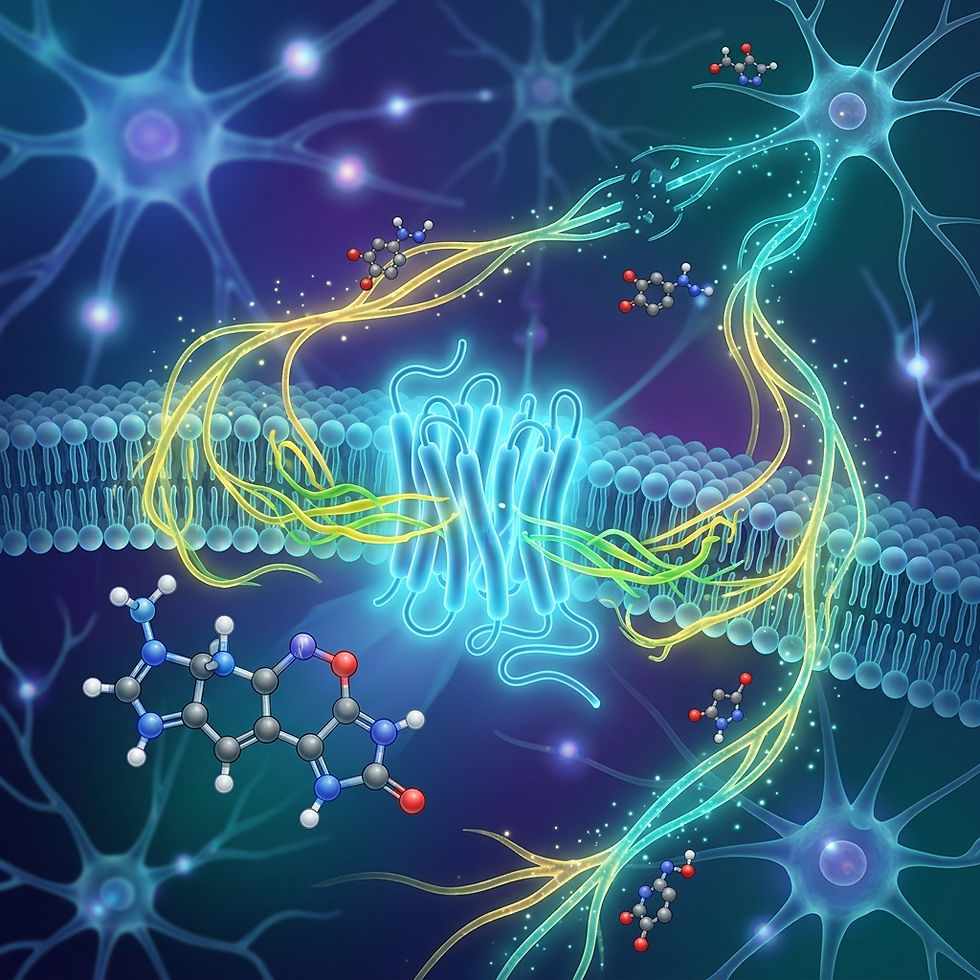
Classical psychedelics, such as psilocybin and LSD, act primarily as agonists at the serotonin 5-HT2A receptor. This binding triggers a downstream cascade involving brain-derived neurotrophic factor (BDNF) and the mammalian target of rapamycin (mTOR) pathway. The activation of these biological pathways drives the growth of new dendritic spines and strengthens existing synaptic connections.
A 2021 study by Shao et al. in Neuron found that a single dose of psilocybin led to approximately a 10% increase in dendritic spine density in the mouse frontal cortex within 24 hours, with effects lasting at least one month. This provides direct structural evidence for the sustained therapeutic benefits reported in clinical trials.
Clinical Implications for Depression and PTSD
By facilitating synaptogenesis and re-establishing neural connectivity, psychedelic-assisted interventions offer a unique paradigm shift. Rather than simply managing daily symptoms, these approaches aim to restore structural flexibility to neural circuits, enabling patients to adopt new cognitive perspectives and emotional responses through guided integration.
The COMPASS Pathways Phase IIb trial (2022) showed that a single 25mg dose of psilocybin, administered with psychological support, produced rapid and sustained reductions in depression severity scores. Functional MRI studies revealed corresponding changes in brain connectivity patterns, particularly in the default mode network.
Key Takeaways
• Psychedelics classified as "psychoplastogens" promote rapid structural neural plasticity
• The 5-HT2A → BDNF → mTOR signaling cascade drives dendritic spine growth
• Clinical trials demonstrate sustained improvements in depression and PTSD symptoms
• Integration therapy is essential for translating neurobiological changes into lasting psychological benefits
References: Ly et al. (2018) Cell Reports; Shao et al. (2021) Neuron; Goodwin et al. (2022) COMPASS Pathways Phase IIb; Olson (2018) Journal of Experimental Neuroscience.


Comments