


Ibogaine and GDNF: Exploring Anti-Addictive Mechanisms in Substance Use
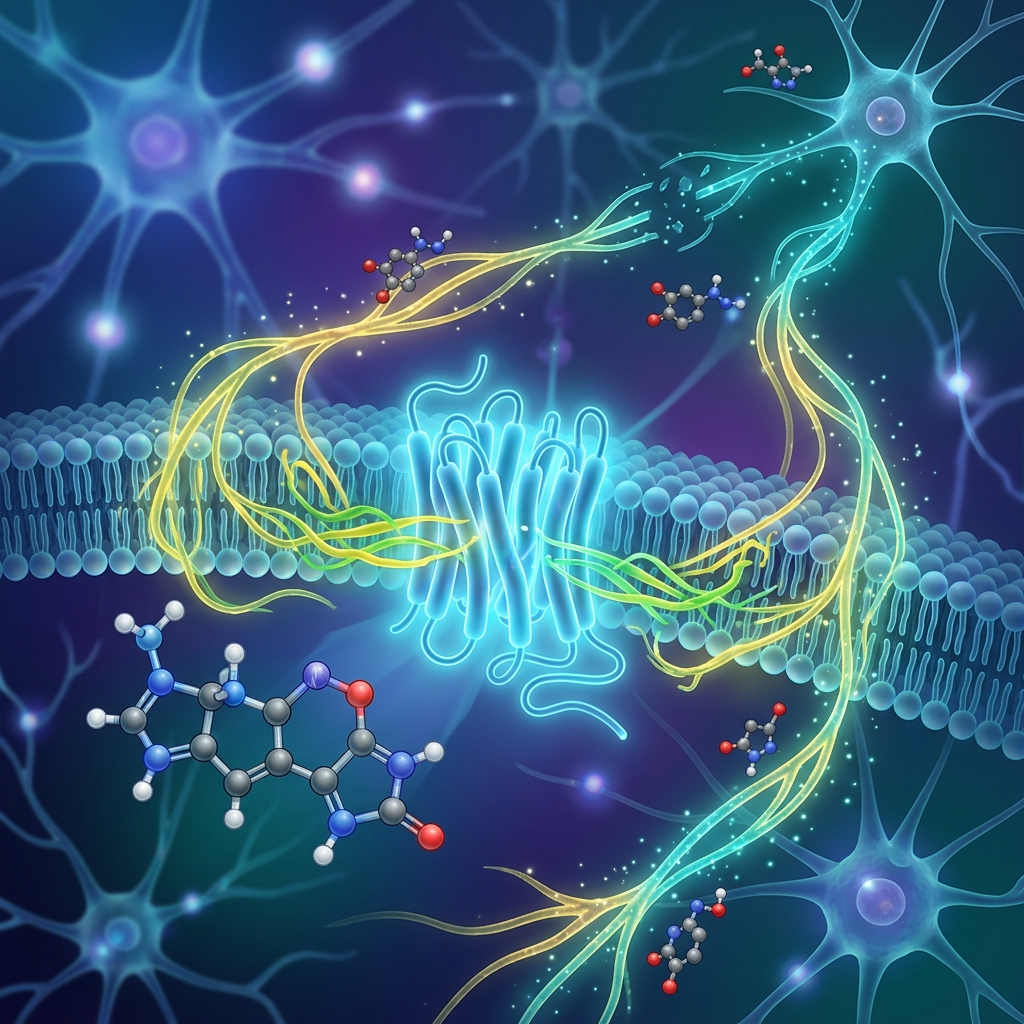
Substance use disorders represent complex, chronic conditions that present severe psychological and physiological challenges. Ibogaine, an indole alkaloid derived from the root bark of the West African shrub Tabernanthe iboga, has garnered attention for its unique potential to interrupt substance dependence.
Attenuating Opioid Withdrawal and Cravings
Ibogaine displays a complex pharmacological profile, interacting with multiple receptor systems including NMDA, kappa-opioid, and sigma receptors. Clinical observations indicate that a single administration can significantly mitigate acute withdrawal symptoms and subsequent drug cravings, particularly in individuals with severe opioid use disorders.
Stimulating Glial Cell Line-Derived Neurotrophic Factor (GDNF)
A key biological mechanism of ibogaine is its ability to increase the expression of Glial Cell Line-Derived Neurotrophic Factor (GDNF) in the mesolimbic dopamine pathway. GDNF plays a critical role in the survival, maintenance, and structural remodeling of dopaminergic neurons. By promoting GDNF expression, ibogaine may help restore dopamine homeostasis that has been disrupted by chronic drug exposure.
Important Safety and Clinical Considerations
While the neurobiological mechanisms are promising, ibogaine carries significant cardiotoxic risks. Consequently, therapeutic interventions must be performed under strict medical supervision. Yorkshire-based educational societies regularly hold academic discussions exploring these neurotrophic mechanisms and chemical dependency studies.


Comments