


Therapeutic Properties of Ayahuasca Component N,N-Dimethyltryptamine in Neurodegenerative Models
Updated: Sep 21
🔍 At a Glance Core Question: Parkinson's disease is a progressive neurodegenerative disorder with increasing global prevalence, primarily driven by population ageing. Key Observation: These results support the therapeutic potential of DMT as a disease-modifying agent in Parkinson's disease and warrant further investigation. Source: Published in Experimental neurology (2026).
Study Summary & Core Objective
Parkinson's disease is a progressive neurodegenerative disorder with increasing global prevalence, primarily driven by population ageing. A hallmark of the disease is the degeneration of nigrostriatal dopaminergic neurons, accompanied by marked activation of glial cells and a sustained neuroinflammatory response.
Methodology & Clinical Design
Current pharmacological treatments are limited to symptomatic relief and do not halt or reverse disease progression. Ayahuasca, a traditional Amazonian psychoactive brew, has attracted growing scientific interest for its potential therapeutic effects in neuropsychiatric and neurodegenerative conditions.
Key Neurobiological & Psychiatric Findings
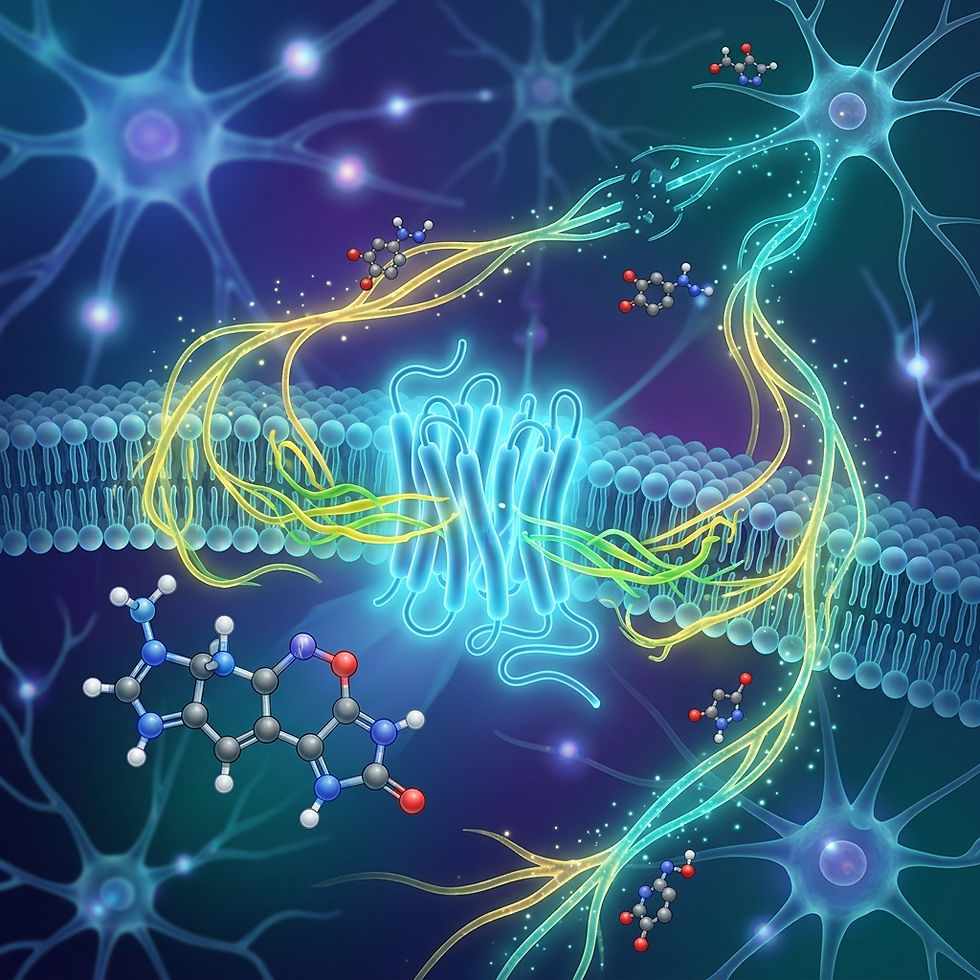
Its principal psychoactive compound, N,N-dimethyltryptamine (DMT), acts as an agonist at the 5-HT2A serotonin receptor-responsible for its hallucinogenic properties-and at the sigma-1 receptor, a molecular target implicated in neuroprotection and modulation of inflammation. This study investigates the neuroprotective and anti-inflammatory potential of DMT in a preclinical model of Parkinson's disease. Our findings demonstrate that DMT administration results in molecular changes within the nigrostriatal pathway consistent with reduced neuroinflammation and neuronal preservation. Furthermore, behavioral assessments indicate symptomatic improvements following treatment. These results support the therapeutic potential of DMT as a disease-modifying agent in Parkinson's disease and warrant further investigation.
Significance for Evidence-Based Practice
The findings from this study published in Experimental neurology deepen our mechanistic understanding of synaptic remodeling, receptor dynamics, and therapeutic safety parameters in modern clinical applications.
Primary Citation & DOI Reference
Primary Citation: Javier Calleja-Conde, Víctor Echeverry-Alzate, Marina Sanz-SanCristobal, Sandra Alonso-Gil et al. (2026). Therapeutic properties of ayahuasca component N,N-Dimethyltryptamine in a pre-clinical model of Parkinson's disease. Experimental neurology. DOI: https://doi.org/10.1016/j.expneurol.2026.115822
Medical Disclaimer: This digest is published by OpenMind Initiative for educational, harm-reduction, and scientific review purposes only. It does not constitute medical advice or endorse unsupervised substance use.

Comments