


Ketamine and Rapid Synaptic Remodeling in Acute Depressive Crisis

In psychiatric emergencies, such as severe depressive episodes with acute suicidal ideation, traditional antidepressants are limited by their delayed onset of action (typically taking several weeks). Intravenous sub-anesthetic doses of ketamine—an NMDA receptor antagonist—have emerged as a rapid-acting intervention to address acute crises.
Rapid Glutamate Spikes and Synaptic Growth
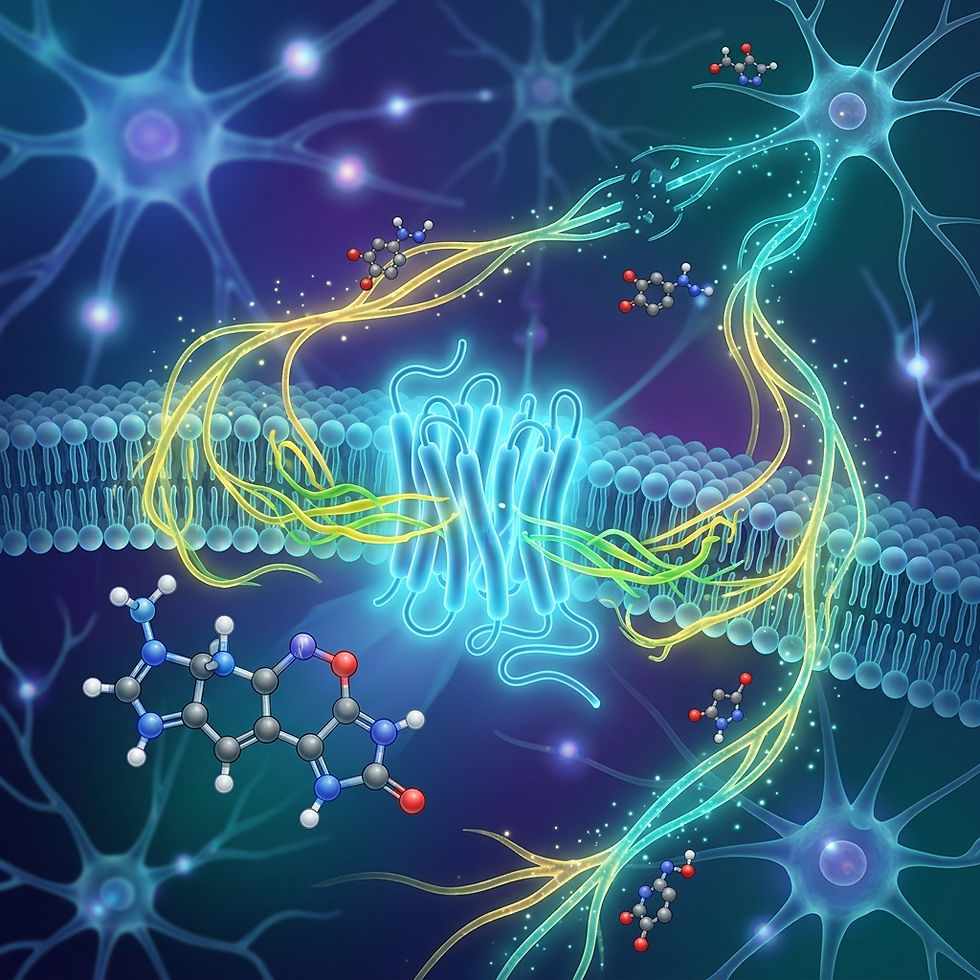
Ketamine blocks NMDA receptors on GABAergic interneurons, leading to a rapid surge in extracellular glutamate levels. This transient surge stimulates AMPA receptors, triggering the release of Brain-Derived Neurotrophic Factor (BDNF) and activating the mTOR pathway. Within hours of administration, this molecular cascade stimulates the growth and remodeling of synaptic spines in the prefrontal cortex.
Addressing Fear and Rumination Pathways
In addition to structural remodeling, ketamine dampens activity in the lateral habenula—a brain region nicknamed the "disappointment centre"—which is hyperactive in severe depressive states. By silencing this area, patients experience rapid relief from persistent negative rumination and feelings of learned helplessness.
Guidance for Modern Mental Health Services in Leeds
Due to its transient duration of effect, ketamine is increasingly utilized as a fast-acting stabilization bridge. For individuals exploring rapid-acting options in West Yorkshire, local Leeds integration circles help translate clinical insights into long-term psychological resilience.


Comments