


Psilocybin for Treatment-Resistant Depression: Mechanistic Insights
Major depressive disorder affects millions worldwide, with a significant subset of patients failing to respond to standard monoaminergic antidepressants. Clinical research exploring psilocybin—a naturally occurring tryptamine alkaloid—has revealed significant rapid-acting antidepressant effects in treatment-resistant depression.
Modulating the Default Mode Network (DMN)
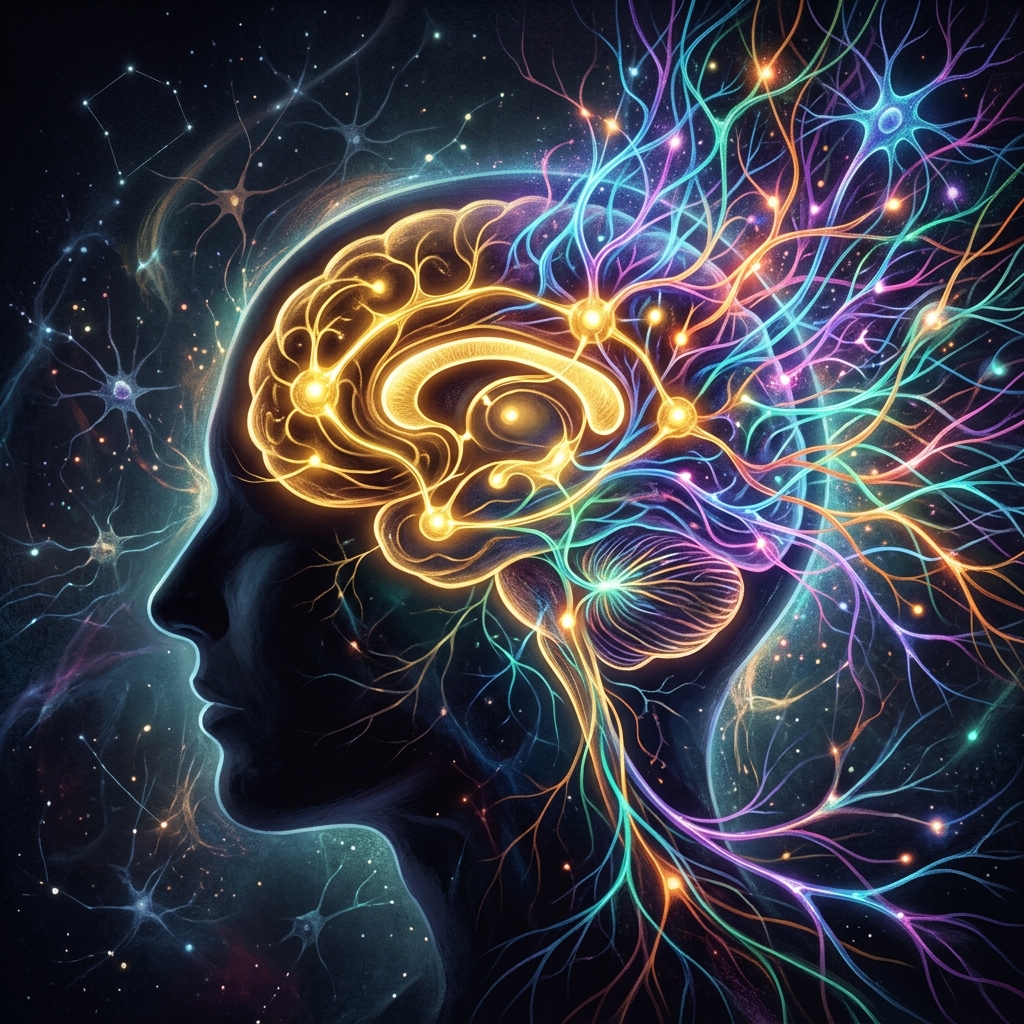
Functional magnetic resonance imaging (fMRI) studies show that depression is characterised by hyper-connectivity within the Default Mode Network (DMN), a network associated with rumination, self-reflection, and ego-identity. Psilocybin administration induces an acute decrease in DMN connectivity, effectively "resetting" rigid, depressive neural pathways and encouraging a state of transient global brain connectivity.
The Role of Emotional Breakthroughs
In clinical settings, patients undergoing psilocybin-assisted therapy frequently report profound mystical experiences and emotional breakthroughs. Statistical analyses show a strong correlation between the intensity of these subjective psychological experiences and the magnitude of subsequent depressive symptom reduction.
Sustained Therapeutic Efficacy
Unlike daily pharmaceutical options, a single or double dose of psilocybin in a supportive, guided context has been shown to produce improvements in mood and emotional well-being that can persist for several weeks or months, representing a paradigm shift in psychiatric care.
Discussion Groups in Yorkshire
Our local Yorkshire integration circles offer Leeds residents a place to discuss the clinical findings of DMN connectivity and psilocybin trials in a supportive peer-led environment.

Comments