


MDMA Mechanism & Clinical Research Overview
Updated: Aug 19
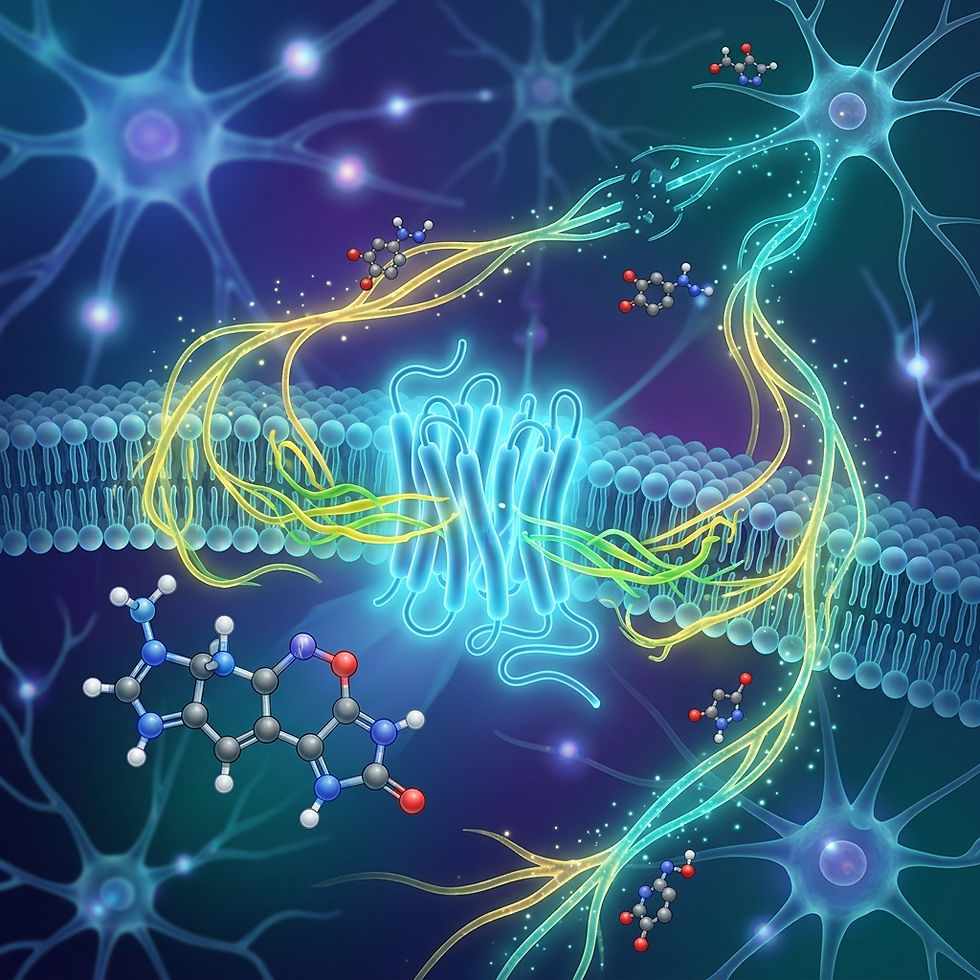
The National Institute on Drug Abuse (NIDA) provides information on MDMA (3,4-methylenedioxymethamphetamine), a synthetic drug commonly known as Molly or Ecstasy. The drug's effects are comparable to stimulants, such as methamphetamine, due to its influence on neurotransmitter systems in the brain. Specifically, MDMA primarily affects serotonin, dopamine, and norepinephrine, resulting in altered mood, increased energy, and feelings of empathy. While often associated with recreational use, MDMA is also being explored in controlled research settings for potential therapeutic applications, particularly in the treatment of post-traumatic stress disorder (PTSD). These studies carefully weigh the benefits against potential risks. It's important to note that the composition and purity of illicit MDMA can vary significantly, posing additional health risks to users. Adulterants and substitutes are often present, making it difficult to predict the effects and increasing the potential for adverse reactions, including overdose. Chronic MDMA use can lead to long-term cognitive and psychological problems. NIDA's ongoing research aims to understand the mechanisms of action of MDMA, its potential therapeutic benefits, and the risks associated with its use and misuse, including its effects on brain function and mental health.


Comments