


Ketamine Pharmacology & Rapid Antidepressant Profile
Updated: Aug 19
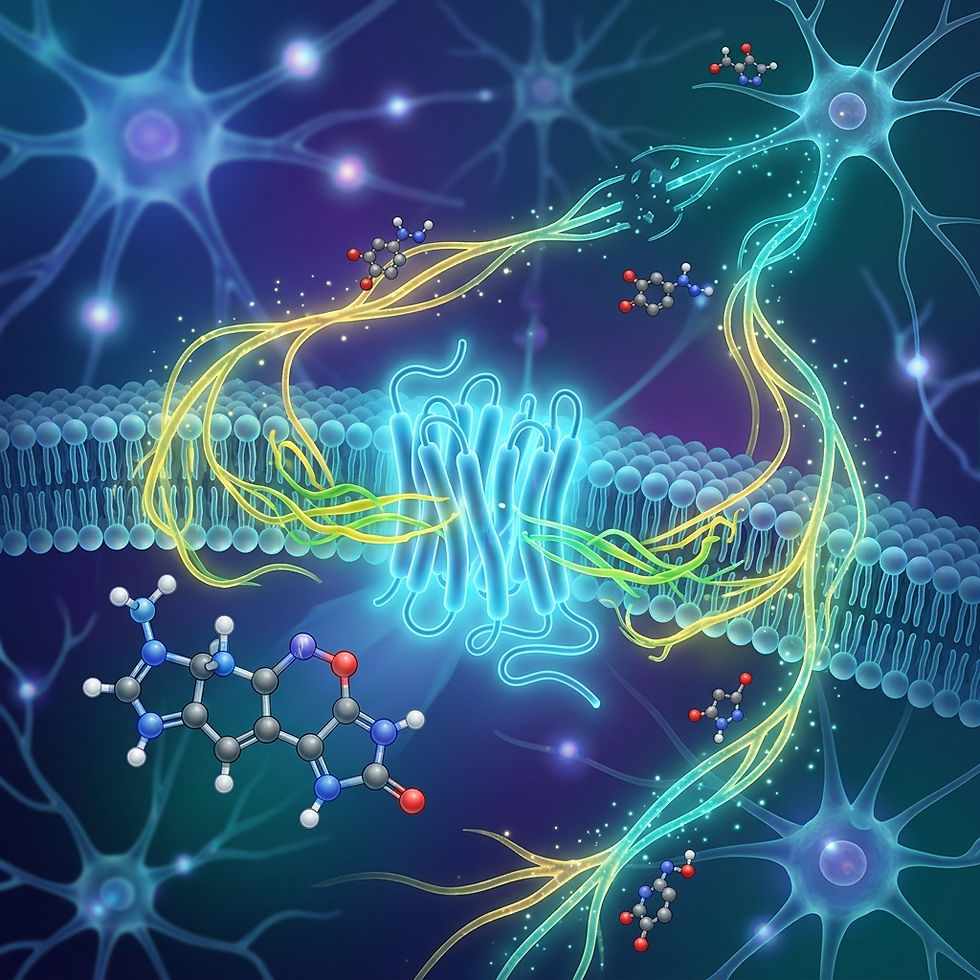
The National Institute on Drug Abuse (NIDA) provides an overview of ketamine, a chemical compound primarily used as an anesthetic. Developed as a less toxic alternative to phencyclidine (PCP), ketamine has been used for decades in both human and veterinary medicine. Its anesthetic properties stem from its action as an NMDA receptor antagonist, blocking glutamate and thus reducing neuronal excitability. Beyond its anesthetic uses, ketamine is being investigated for its potential therapeutic applications, particularly in treating severe depression and suicidal ideation. Research suggests that ketamine can produce rapid antidepressant effects in some patients, potentially offering relief to those who haven't responded to conventional treatments. However, the use of ketamine for depression is still considered off-label and requires careful monitoring due to potential side effects. These side effects can include hallucinations, dissociation, and increased blood pressure. Furthermore, ketamine carries a risk of misuse and addiction. Regular use can lead to tolerance, dependence, and withdrawal symptoms upon cessation. Chronic ketamine abuse can also result in significant health problems, including bladder damage and cognitive impairment. NIDA's information emphasizes the importance of understanding both the potential benefits and risks associated with ketamine use, particularly as its application in mental health treatment continues to evolve.


Comments